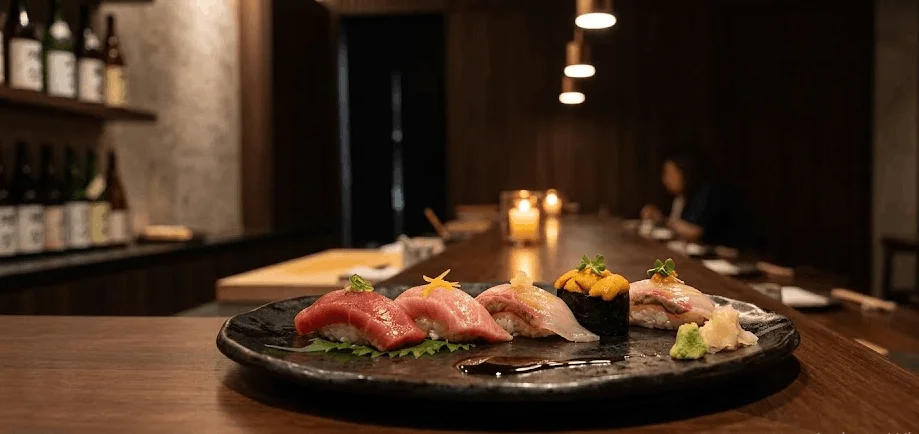
Singapore has one of the most exciting Japanese dining scenes in Southeast Asia. Whether you are hunting for an intimate omakase counter, a steaming bowl of authentic ramen, or a lively izakaya to wind down after work, this city delivers across every budget and occasion.
Japanese cuisine holds a uniquely strong position in Singapore’s food culture. Locals grow up with it. Tourists seek it out specifically. And the number of people searching for the best Japanese restaurants in Singapore keeps rising every year, reflecting genuine demand from discerning diners who want more than just decent food on the table.
The challenge is knowing where to go. Singapore has hundreds of Japanese eateries spread across the island. Some are exceptional. Many are ordinary. Very few truly earn a revisit.
This guide cuts through the noise. We researched top-ranking sources including Time Out Singapore, The Urban List Singapore, and District Sixtyfive to identify restaurants that consistently earn praise from real diners. We then evaluated each one against practical criteria that matter to Singapore consumers: ingredient quality, dining experience, value, and reputation.
Here is what we found.
Best Japanese Restaurants Singapore
Before diving into each of the best Japanese restaurants Singapore, here is a quick comparison to help you decide which experience fits your occasion.
| Rank | Business | Best For | Experience | Location | Website |
|---|---|---|---|---|---|
| 1 | Waku Ghin | Michelin-starred omakase | 15+ years | Marina Bay Sands | sevenrooms.com/reservations/wakughinmbs |
| 2 | Fat Cow | Wagyu and seasonal omakase | 10+ years | Camden Medical Centre, Orchard | fatcow.com.sg |
| 3 | Sushi Sakuta | Edomae-style sushi, Michelin two-star | 5+ years | Millenia Walk | sushi-sakuta.com |
Quick Summary Table
| Business | Why We Recommend It |
|---|---|
| Waku Ghin | One Michelin star, intimate chef’s table, legendary omakase with seasonal luxury ingredients flown from Japan |
| Fat Cow | Wagyu-focused seasonal omakase with premium Kagoshima A5 beef and consistent long-standing quality |
| Sushi Sakuta | Two Michelin stars, flawless Edomae sushi technique, fish sourced daily from Tokyo’s Toyosu Market |
Waku Ghin
Why we ranked it:
Waku Ghin has held a Michelin star for years and continues to set the benchmark for what an authentic Japanese fine dining experience should look like in Singapore. It does not rely on trends. It relies on craftsmanship, seasonal sourcing, and a dining format that makes every meal feel personal from start to finish.
Precision and indulgence come together at the Michelin-starred Waku Ghin, where the freshest seasonal ingredients from around the world meet refined Japanese culinary artistry. The space is designed by award-winning Japanese designer Yohei Akao and embodies understated luxury through natural materials and Japanese-inspired details.
The entry sequence matters here. Guests move through a space marked at the threshold by a two-tonne stone sculpture sourced from Shikoku, Japan, before being guided to one of four private dining rooms. The dining table in the Chef’s Table room was crafted from Kaba Zakura, Japanese cherry wood, by artisans using methods that predate industrial furniture-making.
The omakase menu changes with the seasons, featuring luxury bites that are precisely plated and carefully considered. Signature dishes include marinated Botan shrimp with sea urchin and Oscietra caviar, and Japanese Ohmi wagyu roll from Shiga prefecture, served on sleek countertops.
This is the kind of meal that takes time. Guests who rush through it miss the point entirely. The service is attentive without being intrusive, and the setting creates a sense of occasion that very few restaurants in Singapore can match.
If you are searching for the best Japanese restaurants Singapore for a truly special occasion, Waku Ghin is the natural starting point.
| Information | Details |
|---|---|
| Business Name | Waku Ghin |
| Website | www.sevenrooms.com/reservations/wakughinmbs |
| Phone | +65 6688 8507 |
| wakughinreservation@marinabaysands.com | |
| Location | 2 Bayfront Ave, The Shoppes at Marina Bay Sands, #02-03, Singapore 018972 |
| Experience | Over 15 years |
| Specialization | Michelin-starred Japanese omakase, chef’s table dining |
| Best For | Special occasions, luxury dining, intimate omakase experience |
Key Services
- Seasonal omakase degustation menus at the Chef’s Table.
- Main dining room with elevated a la carte Japanese bites.
- Bar dining with Japanese-inspired cocktails and curated sake selection.
- Private dining room arrangements for groups up to 8 guests.
Highlights
- One Michelin star, maintained consistently over many years.
- Intimate private room format ensures every guest receives personal attention.
- Seasonal menu built entirely around the finest available Japanese produce.
- Signature marinated Botan shrimp with sea urchin and Oscietra caviar is among the most celebrated dishes in Singapore’s Japanese dining scene.
Pros
- Among the most prestigious Japanese dining experiences available in Singapore.
- Chef Tetsuya Wakuda is recognized by the Japanese government as Japan’s Master of Cuisine.
- Attentive, personalized service throughout the entire meal.
- Ideal for business entertainment, milestone celebrations, or any occasion that demands the very best.
Best For
Waku Ghin is best suited for diners who want the full Michelin-starred Japanese dining experience among the best Japanese restaurants Singapore. If ingredient quality, culinary precision, and intimate chef-led service matter more than price, this restaurant delivers on every count without compromise.
Fat Cow
Why we ranked it:
Fat Cow has built a loyal following among Singapore’s Japanese food community for good reason. It stays relevant by refreshing its seasonal menus regularly, and it takes wagyu seriously in a way that most restaurants do not. Over a decade in operation, it has remained one of the most trusted names when Singaporeans discuss authentic Japanese food in Singapore.
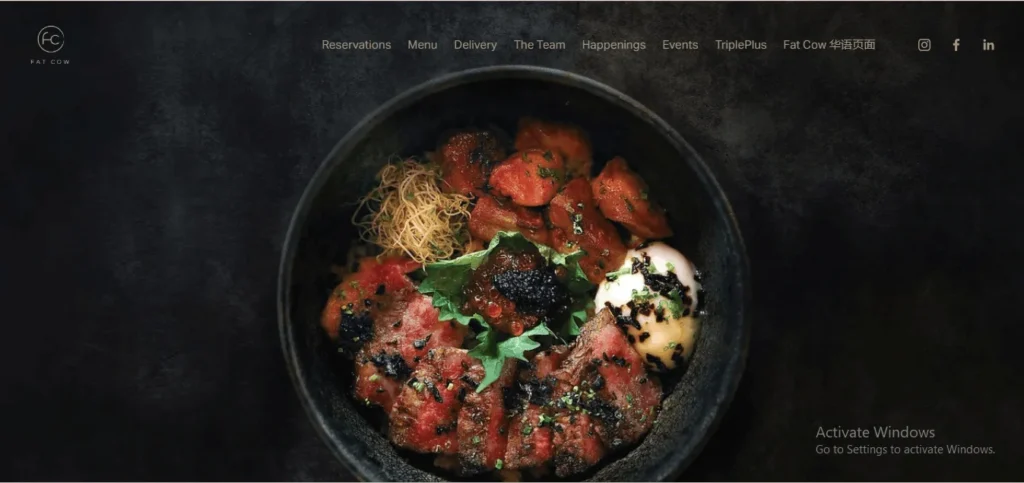
Fat Cow’s seasonal refresh is centered around the philosophy of shiki, the four seasons, presenting a Spring Shiki Omakase menu that captures the lightness of spring through precise technique and thoughtful progression.
The menu moves through yellowtail finished with sesame oil, premium tuna over bamboo charcoal sushi rice, and Kagoshima A5 wagyu as the anchor of the final savoury courses. The wagyu appears as a uni-topped handroll or, in the most elevated menu tier, as an additional yakiniku-style handroll that lets the Kagoshima A5 beef take centre stage. The meal ends with a light dessert, leaving you with an omakase that feels elegant, seasonal, and quietly indulgent.
This is not a restaurant that relies on novelty. It is consistent, well-executed, and genuinely focused on the Japanese dining experience rather than spectacle. For those exploring the best Japanese restaurants in Singapore for premium wagyu-focused omakase, Fat Cow stands out clearly from its competitors.
| Information | Details |
|---|---|
| Business Name | Fat Cow |
| Website | www.fatcow.com.sg |
| Phone | +65 6735 0308 |
| Location | 1 Orchard Boulevard, #01-01/02 Camden Medical Centre, Singapore 248649 |
| Experience | Over 10 years |
| Specialization | Wagyu-focused Japanese omakase and seasonal kaiseki |
| Best For | Wagyu lovers, seasonal omakase, group dining and celebrations |
Key Services
- Seasonal omakase menus refreshed throughout the year.
- Premium Kagoshima A5 wagyu courses as the meal centrepiece.
- A la carte Japanese dining alongside set menu options.
- Private dining arrangements available for special occasions.
Highlights
- Spring Shiki Omakase reflects genuine seasonal Japanese culinary philosophy.
- Kagoshima A5 wagyu featured prominently across elevated tasting menu tiers.
- Ingredient sourcing prioritizes quality and seasonality over volume.
- Long-standing reputation among Singapore’s most discerning Japanese food enthusiasts.
Pros
- Consistent quality across multiple visits, which is rare in Singapore’s competitive restaurant scene.
- Well-balanced menus that do not feel repetitive even for returning guests.
- Conveniently located in the Orchard area, accessible for both professionals and leisure diners.
- Seasonal refreshes keep the dining experience feeling current and relevant.
Best For
Fat Cow is ideal for diners who appreciate wagyu as a serious culinary ingredient rather than a marketing term. It suits those who want a refined Japanese omakase experience, ranking among the best Japanese restaurants Singapore, without the full formality of a Michelin fine dining room, but with ingredient quality that matches the very best in the city.
Sushi Sakuta
Why we ranked it:
Sushi Sakuta is one of only two Japanese restaurants in Singapore holding two Michelin stars, and it earned that recognition through technical excellence rather than reputation alone. For anyone serious about authentic Japanese food in Singapore, this counter is essential.
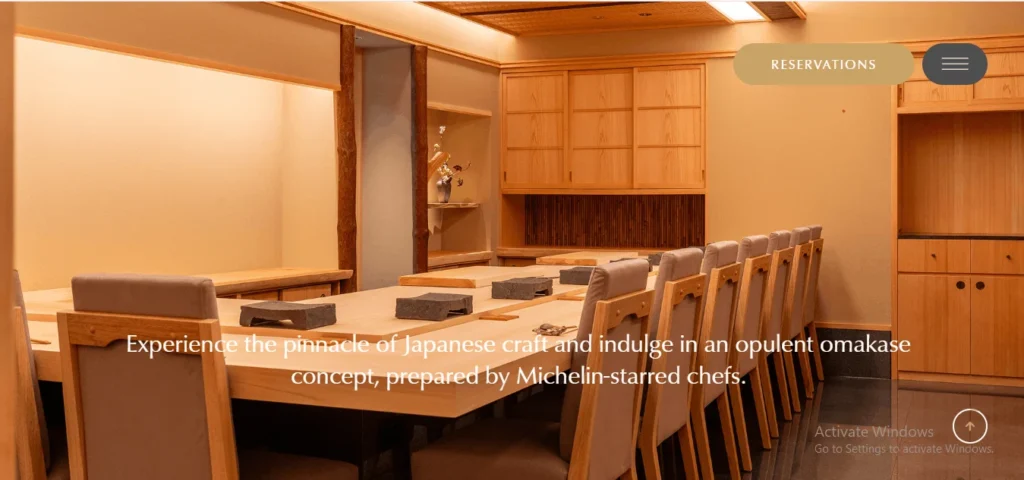
The space is simple yet elegant, befitting the hotel that houses it. There is a counter made from a 200-year-old cypress tree from Nara, Japan. Chef-owner Sakuta works closely with the all-Japanese kitchen team, creating a season-driven omakase menu based exclusively on Japanese fish. Even the rice is a blend of two Japanese cultivars in a precise ratio for the perfect texture, and every item is prepared with utmost care.
Fresh fish and ingredients are flown in from Toyosu Fish Market daily, where they are inspected carefully by Chef Sakuta and his experienced team prior to being prepared for lunch and dinner service.
The dinner omakase features five appetisers followed by ten pieces of sushi, with standouts including Female Snow Crab chawanmushi and abalone with rich liver sauce. The attention to temperature and timing at this level is what separates Sushi Sakuta from restaurants that merely describe themselves as omakase.
Among all the best Japanese restaurants in Singapore, Sushi Sakuta represents the highest expression of Edomae sushi technique currently available in the country.
| Information | Details |
|---|---|
| Business Name | Sushi Sakuta |
| Website | www.sushi-sakuta.com |
| Phone | +65 9863 9302 |
| info@sushi-sakuta.com | |
| Location | 9 Raffles Boulevard, #01-06/07/08 Millenia Walk, Singapore 039596 |
| Experience | 5+ years |
| Specialization | Edomae-style nigiri omakase |
| Best For | Sushi connoisseurs, milestone celebrations, authentic Japanese dining |
Key Services
- Edomae-style omakase lunch and dinner menus.
- Daily fish sourcing directly from Toyosu Market, Tokyo.
- Intimate counter dining with direct chef interaction throughout the meal.
- Premium seasonal appetisers preceding the main sushi course.
Highlights
- Two Michelin stars awarded by the Michelin Guide Singapore.
- Counter crafted from a 200-year-old cypress tree sourced from Nara, Japan.
- Proprietary sushi rice blend using two Japanese rice cultivars in a precise ratio.
- Fish arrives fresh daily from Tokyo, inspected personally by Chef Sakuta before service.
Pros
- The most technically precise Edomae sushi experience currently available in Singapore.
- Intimate counter format means every guest receives the chef’s full attention throughout.
- Consistently ranked among Singapore’s top Japanese dining destinations by credible food guides.
- A genuine and honest representation of authentic Japanese food at the highest possible level.
Best For
Sushi Sakuta is for diners who understand the difference between good sushi and exceptional sushi. It is worth every dollar for a milestone occasion and remains one of the strongest arguments for why the best Japanese restaurants Singapore can stand alongside those in Tokyo.
How We Selected These Businesses
Selecting the best Japanese restaurants Singapore required more than reading a few review articles. We evaluated each restaurant against factors that reflect what Singapore diners actually care about, drawing on verified sources including Time Out Singapore, The Urban List Singapore, and District Sixtyfive.
| Evaluation Factor | Why It Matters |
|---|---|
| Reputation | Long-standing recognition from credible food guides and Michelin carries real weight with Singapore diners |
| Reviews | Consistent positive feedback across Google, local food platforms, and editorial coverage signals reliable quality |
| Experience | Restaurants that have operated for years under consistent leadership deliver more reliable experiences |
| Service Quality | In Japanese dining culture, service is inseparable from the food. Poor service undermines even exceptional cuisine |
| Market Presence | Restaurants with strong local word-of-mouth are often more trustworthy than those relying heavily on advertising |
| Customer Feedback | We prioritised restaurants where diners return repeatedly, not just first-timers visiting out of curiosity |
| Industry Expertise | Chef credentials, training history, and sourcing practices reflect genuine commitment to the craft |
| Reliability | Consistency across multiple visits matters more than a single extraordinary meal |
Comparison by Key Features
| Feature | Waku Ghin | Fat Cow | Sushi Sakuta |
|---|---|---|---|
| Michelin Recognition | Excellent | Good | Excellent |
| Ingredient Sourcing | Excellent | Very Good | Excellent |
| Omakase Experience | Excellent | Very Good | Excellent |
| Value for Price | Good | Very Good | Very Good |
| Ambience and Setting | Excellent | Very Good | Very Good |
| Reservation Ease | Good | Very Good | Good |
| Suitability for Occasions | Excellent | Excellent | Excellent |
| Authentic Japanese Dining | Excellent | Very Good | Excellent |
How to Choose the Right Japanese Restaurant in Singapore
Consider Your Occasion First
A quick lunch with colleagues calls for something different from a wedding anniversary dinner. The best Japanese restaurants Singapore cover a wide spectrum, from casual izakaya dining to Michelin-starred omakase requiring advance reservation weeks ahead. Matching the restaurant to your occasion prevents disappointment and ensures you get the most out of your Japanese dining experience in Singapore.
Think About Pricing Before You Book
The best Japanese restaurants Singapore do not all carry the same price point. Omakase menus at Michelin-starred venues typically start from S$350 per person and can exceed S$600 for dinner. Mid-range sushi bars and ramen joints offer excellent authentic Japanese food from S$20 to S$80 per head. Know your budget before shortlisting options.
Read Reviews From Multiple Sources
A single glowing review means very little. Look for consistent praise across platforms such as Google, Burpple, and editorial sources like Time Out Singapore and District Sixtyfive. Restaurants that appear across multiple credible lists are generally safer bets for a memorable Japanese dining experience in Singapore.
Check Reservation Policies in Advance
The most popular Japanese restaurants in Singapore, particularly those with Michelin stars, fill up weeks in advance. Waku Ghin and Sushi Sakuta both require early booking. If you leave it last minute, you will likely miss out on the experience entirely. Always confirm cancellation policies before booking, as most premium venues charge cancellation fees.
Match the Format to Your Preferences
Japanese cuisine in Singapore spans many formats. Omakase is chef-led, multi-course, and immersive. Izakaya dining is informal and social. Ramen is quick, filling, and reliable. Teppanyaki offers live-cook entertainment. Knowing what kind of experience you want narrows your options significantly and helps you find the right fit from the many Japanese restaurants Singapore has to offer.
Verify Chef Credentials When Booking High-End Venues
For premium Japanese dining, the chef’s background matters. Training in Japan, experience at Michelin-starred kitchens, and direct relationships with Japanese suppliers are all indicators that the restaurant takes its craft seriously. This information is usually available on the restaurant’s official website or through local food editorial coverage.
Location and Accessibility
Singapore’s MRT network makes most areas accessible, but proximity to your hotel or workplace still matters. Marina Bay Sands is central but busy. The Orchard area is convenient for those based in or near the city centre. Millenia Walk is well-suited for CBD professionals looking for a Japanese dining experience in Singapore after work.
Ask About Dietary Accommodations in Advance
Japanese cuisine can be limiting for vegetarians, those with shellfish allergies, or diners who avoid raw fish. The best Japanese restaurants in Singapore will accommodate specific requests with sufficient advance notice. Always confirm this before booking, especially for omakase formats where the menu is entirely chef-determined.
Benefits of Choosing a Professional Japanese Restaurant in Singapore
Access to Premium Imported Ingredients
Quality Japanese restaurants in Singapore source key ingredients directly from Japan. Fish arrives from Tokyo’s Toyosu Market. Wagyu is imported from Kagoshima or Miyazaki prefectures. Rice cultivars are selected for specific textural and flavour properties. This level of sourcing is only possible for establishments with well-established supplier relationships built over many years.
Chef Expertise That Shows in Every Dish
Japanese culinary technique takes years to master. The balance of vinegar in sushi rice, the precision of sashimi knife work, the timing of a teppanyaki course — these are not skills acquired quickly. A professional Japanese restaurant in Singapore employs chefs who have spent years, often decades, refining these fundamentals, and that expertise is visible in every plate that arrives at the table.
A Dining Experience That Goes Beyond the Food
The best Japanese restaurants Singapore treat service as part of the meal itself. Thoughtful pacing, attentive sake recommendations, chef explanations of each course, and an environment that encourages you to slow down and engage with the food — these elements combine to create an experience that justifies the price and stays with you long after the meal ends.
Consistent Quality You Can Rely On
A strong Japanese restaurant does not have good days and bad days. Consistency is a core value in Japanese food culture, and restaurants that take it seriously deliver the same standard whether you visit in January or August. This reliability is precisely what makes the best Japanese restaurants in Singapore worth returning to time and again.
FAQs: Best Japanese Restaurants Singapore
What is the best Japanese restaurants Singapore for a special occasion?
Waku Ghin at Marina Bay Sands and Sushi Sakuta at Millenia Walk are both excellent choices for milestone celebrations. Waku Ghin holds a Michelin star and offers an intimate chef’s table omakase, while Sushi Sakuta holds two Michelin stars and delivers exceptional Edomae-style sushi. Both require advance reservations, particularly for weekend evenings.
How much does omakase cost at the best Japanese restaurants Singapore?
Omakase menus at the best Japanese restaurants Singapore typically range from S$160 to S$600 or more per person depending on the restaurant and menu tier. Sushi Sakuta’s lunch omakase starts from S$350 per person, while the dinner course is priced at S$580 per person. Some restaurants offer more accessible lunch options starting from around S$80 to S$120.
Are there Michelin-starred Japanese restaurants in Singapore?
Yes. Singapore has several Michelin-starred Japanese restaurants. Sushi Sakuta currently holds two Michelin stars, making it one of the top sushi restaurants in Singapore. Waku Ghin holds one Michelin star. Shinji by Kanesaka is also frequently cited for Michelin recognition. The Michelin Guide Singapore updates annually, so always verify the latest edition before booking.
What is the best area in Singapore to find authentic Japanese food?
Best Japanese restaurants Singapore are spread across the island. Marina Bay and the CBD area offer the highest concentration of fine dining Japanese options. Orchard Road has a strong mid-range selection. Novena, Tanjong Pagar, and Bugis also have well-regarded Japanese eateries ranging from casual izakaya to quality sushi bars and omakase counters.
What is the difference between omakase and kaiseki at a Japanese restaurant?
Omakase means the chef decides the entire menu based on the best available seasonal ingredients that day. Kaiseki is a more structured multi-course format rooted in traditional Japanese culinary philosophy, with a defined progression of courses. Some of the best Japanese restaurants in Singapore offer hybrid formats that blend both styles into a single refined dining experience.
Are there affordable Japanese restaurants in Singapore worth visiting?
Yes. Authentic Japanese food in Singapore does not require a large budget. Ramen Keisuke, Ichiban Boshi, and various izakaya options across the island offer genuine Japanese flavours at accessible price points. Platforms like District Sixtyfive and Burpple regularly feature affordable Japanese restaurants in Singapore that deliver solid quality without the fine dining price tag.
How far in advance should I book the best Japanese restaurants Singapore?
For Michelin-starred venues like Waku Ghin and Sushi Sakuta, booking two to four weeks in advance is strongly recommended. Weekend evenings and public holidays fill up the fastest. Both restaurants accept reservations through their official websites or by direct contact via phone and email. Leaving it last minute almost always results in disappointment.
Is there a dress code at the top Japanese restaurants in Singapore?
Most premium Japanese restaurants in Singapore have a smart casual to smart elegant dress code. Sushi Sakuta advises guests to avoid heavy perfume as it can interfere with the delicate aromas of the food. Waku Ghin expects smart elegant attire. Always check the restaurant’s official policy when booking to avoid being turned away at the door.
Conclusion
Singapore’s Japanese dining scene is genuinely world-class, and finding the right restaurant comes down to matching the experience to your specific occasion and expectations.
After reviewing top sources including Time Out Singapore, The Urban List Singapore, and District Sixtyfive, three restaurants stand out as the strongest options across different occasions and budgets.
Waku Ghin at Marina Bay Sands remains one of Singapore’s most prestigious Japanese dining destinations, offering a Michelin-starred omakase experience built around seasonal luxury ingredients and intimate chef’s table service. Fat Cow delivers a reliable, wagyu-forward omakase in the Orchard area that refreshes seasonally and consistently earns the trust of returning diners who know exactly what they want from a Japanese dining experience in Singapore. Sushi Sakuta represents the purest expression of Edomae-style sushi in Singapore, with daily-sourced fish from Tokyo and a level of technical precision that very few restaurants in the region can match.
If you are searching for the best Japanese restaurants Singapore for any occasion, starting with these three gives you a strong and well-researched foundation. Visit their websites directly to check current menus, confirm reservation availability, and plan your Japanese dining experience in Singapore with confidence.